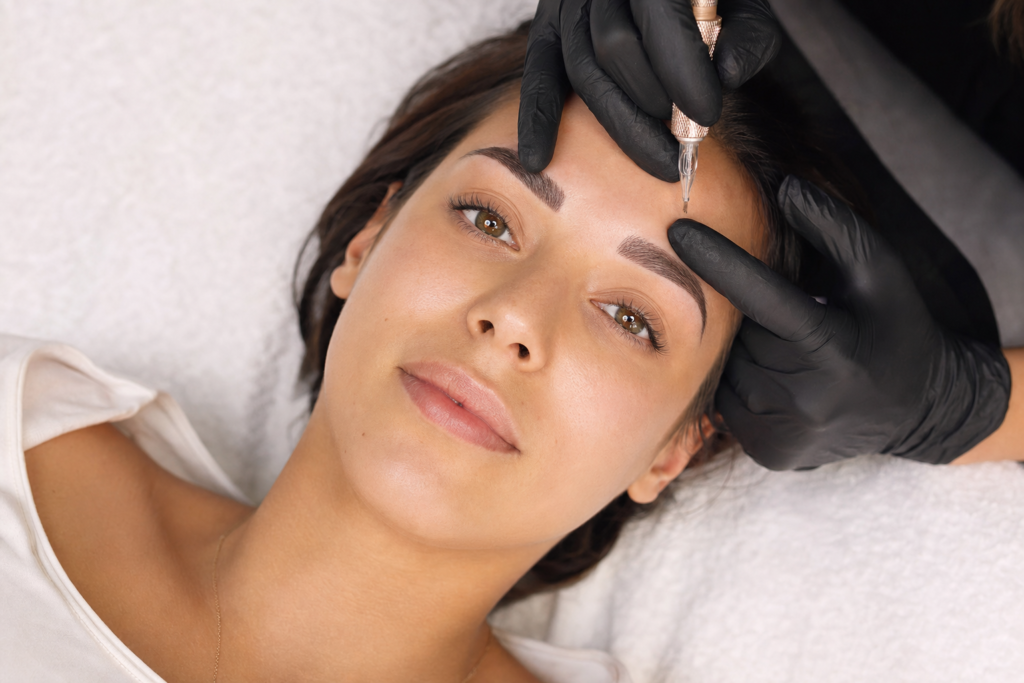
Pregnancy transforms everything about how you approach beauty, from the skincare ingredients you scan to the salon treatments you once booked without a second thought. You might be craving the effortless elegance of perfectly shaped brows every morning, especially when pregnancy fatigue makes your usual makeup routine feel exhausting. But when it comes to microblading during pregnancy, the answer from experienced permanent makeup artists is clear and consistent: wait until after you deliver and finish breastfeeding. This recommendation isn’t about being overly cautious. It’s rooted in both medical ethics and the unique physiological changes your body undergoes during these nine transformative months. Your hormones, pain sensitivity, healing capacity, and immune response all shift dramatically, creating conditions that can compromise both the safety of the procedure and the quality of your results. Understanding why timing matters will help you make the best decision for both you and your baby.
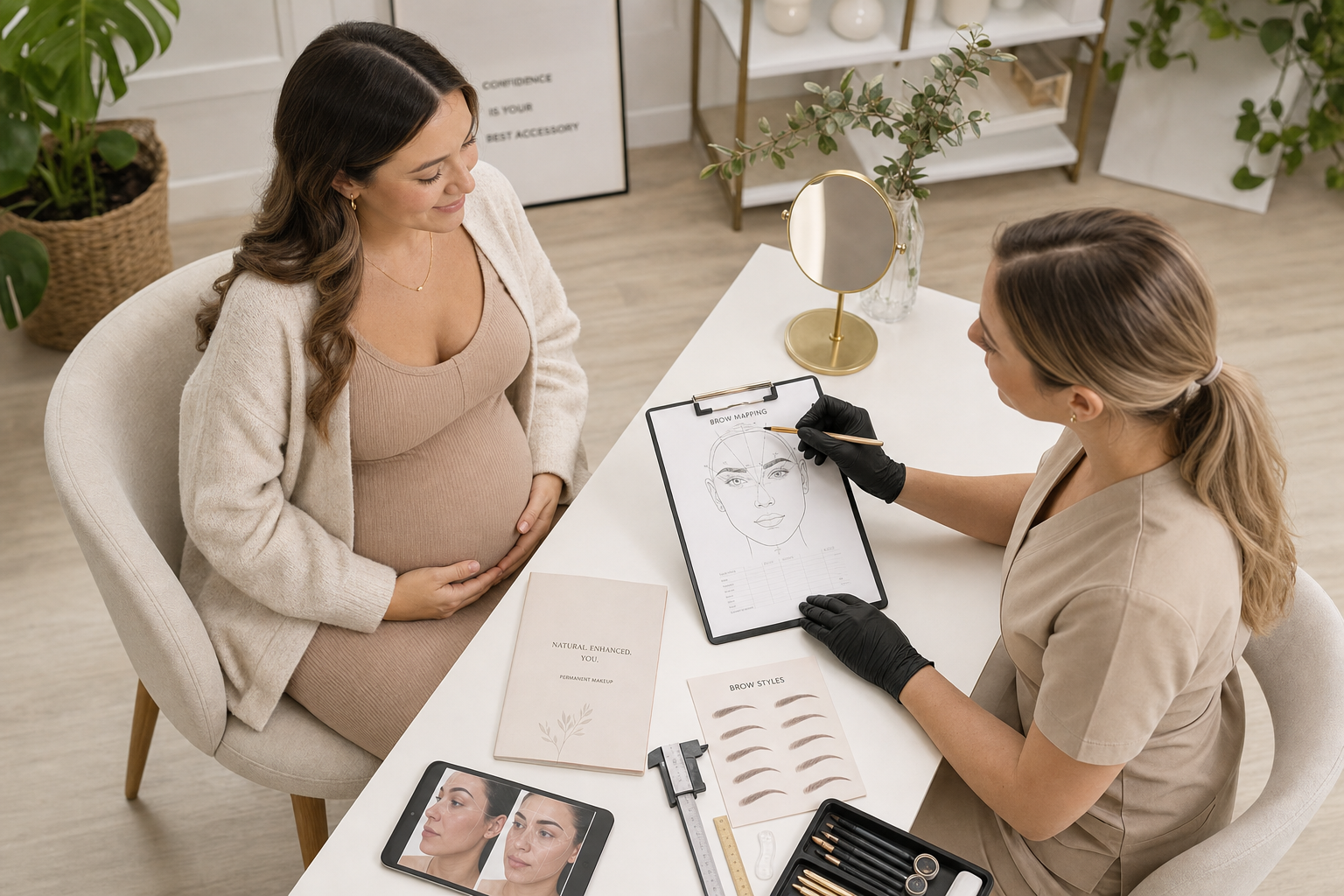
Why Professional Artists Advise Against Microblading During Pregnancy
The primary concern isn’t that microblading poses proven harm to your developing baby. Rather, it’s that no comprehensive studies exist to confirm its safety during pregnancy. This absence of research creates an ethical boundary that responsible permanent makeup artists respect. At Fantasy Beauty in Mont-Royal, Leila maintains a strict policy of not performing microblading on pregnant or nursing clients, a standard upheld by certified artists across the industry.
Microblading involves creating fine incisions in the skin’s dermal layer and depositing pigment into those channels. While the procedure is superficial compared to traditional tattooing, it still breaks the skin barrier. This introduces several pregnancy-specific concerns. Your immune system operates differently during pregnancy, partially suppressed to prevent your body from rejecting the fetus. This immunological shift can affect how your skin heals and responds to foreign substances like pigment.
Topical numbing agents present another layer of complexity. Most microblading artists use lidocaine-based anesthetics to minimize discomfort during the procedure. While small amounts of topical lidocaine are generally considered low-risk, pregnancy changes how your body metabolizes medications. Without numbing, the procedure becomes significantly more uncomfortable, and your heightened pain sensitivity during pregnancy makes this an even less appealing option.
Beyond physical considerations, there’s the practical reality of results. Pregnancy hormones can cause unpredictable pigment retention, uneven healing, and color changes that wouldn’t occur in your non-pregnant state. Investing in a semi-permanent procedure that may heal poorly or require extensive correction work simply doesn’t make sense when waiting a few months ensures optimal conditions for beautiful, lasting results.
How Pregnancy Hormones Affect Pigment Retention and Healing
Your endocrine system during pregnancy operates in a state unlike any other time in your life. Estrogen and progesterone levels soar to concentrations you’ll never experience outside of pregnancy. These hormonal surges don’t just cause nausea and fatigue. They fundamentally alter your skin’s structure, sensitivity, and healing capacity.
Increased blood flow and fluid retention can cause skin swelling, particularly in the face. This means the brow mapping performed before your procedure may not accurately reflect your natural bone structure and facial proportions. When the swelling subsides postpartum, your beautifully shaped brows might sit in entirely different positions than intended. Over a decade of working with clients, Leila has seen countless cases where even minor facial changes completely transform how permanent makeup sits on the face, which is why proper timing matters so much.
Hormonal fluctuations also affect melanin production and distribution in your skin. You might notice darkening of your areolas, a linea nigra down your abdomen, or melasma on your face. These pigmentation changes indicate that your body is processing melanin differently. When you introduce external pigment into this hormonally charged environment, retention becomes unpredictable. Some women experience rapid fading, while others see pigment that spreads or changes tone in unexpected ways.
The healing process itself becomes more complex. Your body is channeling tremendous resources toward growing your baby. Collagen production, cellular turnover, and inflammatory responses all shift to prioritize fetal development. This can mean slower wound healing, increased sensitivity to infection risk, and scarring patterns that differ from your normal healing. These factors combined create conditions where even the most skilled permanent makeup artist cannot guarantee results comparable to what you’d achieve in a non-pregnant state.
Understanding the Limited Research on Permanent Makeup Safety
The scientific literature on cosmetic tattooing during pregnancy remains remarkably sparse. This research gap exists partly because conducting studies on pregnant women involves significant ethical considerations. Researchers cannot ethically expose pregnant women to potential risks simply to gather data on elective cosmetic procedures.
What we do know comes from adjacent fields. Studies on tattoo ink safety reveal that certain pigment components can contain heavy metals, though modern, high-quality pigments have largely eliminated these concerning ingredients. At Fantasy Beauty, we exclusively use PHI-certified organic pigments that meet the strictest European safety standards. These formulations avoid problematic compounds found in cheaper alternatives. However, even with premium pigments, pregnancy creates a unique biological context that hasn’t been thoroughly studied.
The American Pregnancy Association, dermatologists, and obstetricians generally recommend postponing any form of tattooing until after pregnancy and breastfeeding. This conservative approach stems from the precautionary principle: when we lack definitive safety data, the most responsible choice is to avoid potential risk. The consequences of waiting are minimal, just a few more months of filling in your brows with makeup. The potential consequences of proceeding without adequate safety data are unknown, and that uncertainty alone justifies postponement.
Professional organizations for permanent makeup artists echo this guidance. Certifying bodies emphasize that responsible practice includes refusing service to pregnant clients, not because microblading is proven dangerous, but because we cannot confirm it’s safe. This distinction matters. It’s not fear-mongering. It’s ethical practice in the face of scientific uncertainty.
Safe Alternatives for Beautiful Brows Throughout Pregnancy
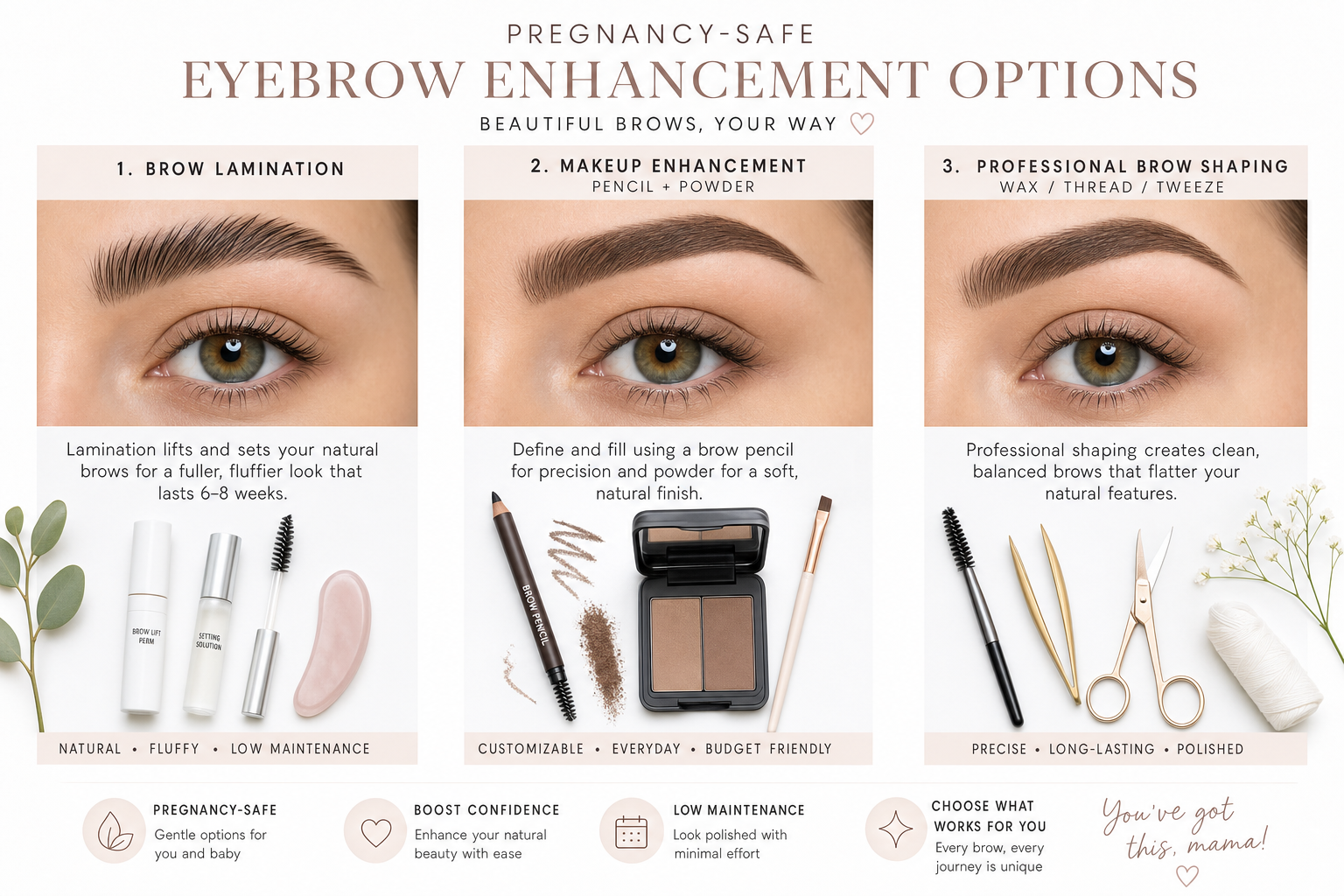
Just because microblading is off the table doesn’t mean you’re stuck with sparse or shapeless brows. Several pregnancy-safe alternatives can give you polished, defined brows without breaking the skin barrier or introducing pigment into your system.
Eyebrow lamination offers a semi-permanent solution that restructures your natural brow hairs into your desired shape. This treatment uses a gentle chemical process similar to a lash lift, setting your brow hairs in an upward, fuller pattern. The results last six to eight weeks, and because the process works with your existing hair rather than depositing pigment into skin, it’s generally considered safe during pregnancy. The solution doesn’t penetrate your skin barrier, and the small amounts used are applied topically to hair only.
At Fantasy Beauty, we perform eyebrow lamination on pregnant clients after confirming they have no sensitivities to the formulation. The treatment takes about 45 minutes and can dramatically improve the appearance of thin, unruly, or downward-growing brows. Combined with strategic trimming and shaping, lamination creates the illusion of fuller, more defined brows using only what you already have.
High-quality brow makeup remains your most flexible option. Modern brow products have evolved far beyond the harsh pencils of decades past. Brow gels, powders, and micro-fine pencils allow you to create remarkably natural-looking definition that rivals semi-permanent techniques. The key is choosing long-wearing, water-resistant formulas that won’t smudge or fade throughout your day.
Consider this your opportunity to master brow techniques you might have avoided when planning to get microblading. A professional brow shaping session can establish the perfect template, which you can then maintain with tweezers and fill in with makeup. Many pregnant women discover they actually prefer the flexibility of makeup once they develop the skill, appreciating the ability to adjust their brows for different occasions or as their face changes during and after pregnancy.
If you already have microblading from before pregnancy and it needs a touch-up, you’ll need to wait until you’ve finished breastfeeding. The same concerns about pigment and numbing agents apply during nursing. Your patience will be rewarded with better color retention, more predictable healing, and the peace of mind that comes from avoiding unnecessary questions marks during an already complex time.
Planning Your Post-Pregnancy Microblading Journey
The waiting period after delivery isn’t just about getting medical clearance. Your body needs time to return to its baseline hormonal state, which doesn’t happen the moment you give birth. For breastfeeding mothers, hormone levels remain elevated and fluctuating throughout nursing. For those who don’t breastfeed, it still takes several months for your endocrine system to recalibrate.
Most permanent makeup artists, including Leila at Fantasy Beauty, recommend waiting at least three months after you’ve completely finished breastfeeding before scheduling microblading. This timeline allows your hormones to stabilize, your immune system to return to normal function, and any pregnancy-related facial swelling or pigmentation changes to resolve. It also gives you time to establish your new routine with your baby, so you can properly care for your brows during the crucial healing period.
The healing process for microblading requires specific aftercare. You’ll need to keep your brows dry for the first week, avoid sweating heavily, skip makeup on the area, and apply healing ointment multiple times daily. With a newborn or infant, finding time for this level of self-care can be challenging. Waiting until your baby is a bit older and your schedule more predictable ensures you can dedicate the attention needed for optimal healing.
When you’re ready to book, look for an artist who takes comprehensive health histories and asks about recent pregnancies. This attention to medical considerations indicates someone who prioritizes safety alongside artistry. At our Mont-Royal location, we use personalized brow mapping that accounts for your unique facial structure, bone architecture, and aesthetic goals. This customized approach means your brows will complement your features perfectly, whether you choose traditional microblading, the ultra-realistic nano brows technique, or the soft definition of eyebrow shading.
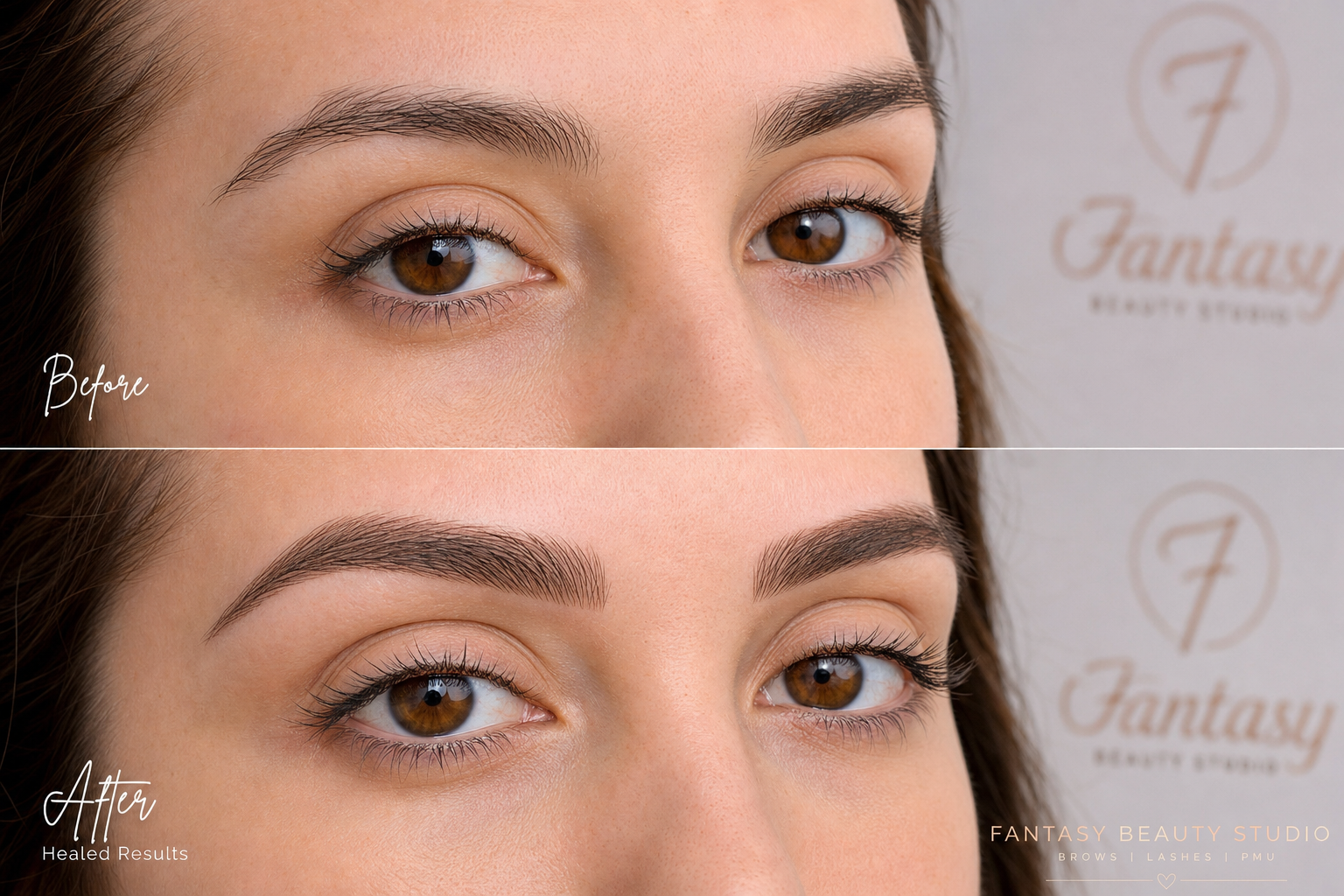
Use your waiting period productively. Research artists thoroughly, looking at healed results rather than fresh work. Healed photos show the true artistry, revealing how pigment settles and fades over time. Read reviews from real clients, paying attention to comments about pain management, healing experiences, and long-term satisfaction. Save inspiration photos that capture the brow shape, fullness, and style you want. This preparation ensures that when you finally sit in the treatment chair, you’ll be working with an artist who understands your vision completely.
What to Discuss With Your Healthcare Provider
While permanent makeup artists can offer guidance based on industry standards and practical experience, your obstetrician or midwife should be your primary resource for medical advice during pregnancy. Schedule time to discuss cosmetic procedures you’re considering, including both semi-permanent options like microblading and temporary alternatives like eyebrow lamination or lash lift and tint services.
Come prepared with specific questions. Ask about topical anesthetic safety, infection risk considerations given your immune changes, and whether any of your pregnancy complications might further contraindicate elective procedures. Women with gestational diabetes, preeclampsia, or other conditions may face additional healing challenges that make postponing cosmetic treatments even more critical.
Your healthcare provider can also help you understand when it’s safe to resume these services postpartum. Factors like whether you’re breastfeeding, any delivery complications, and your overall recovery will influence the timeline. Some women bounce back quickly and receive clearance within a few months, while others need more time before their bodies are ready for elective procedures.
Don’t hesitate to advocate for thorough answers. Some healthcare providers may dismiss cosmetic concerns as vanity, but feeling confident in your appearance has genuine mental health benefits. Pregnancy and early motherhood can be challenging for body image, and wanting to look polished isn’t superficial. It’s about maintaining your sense of self during a period of profound change. A good provider will take your concerns seriously while helping you make safe, informed choices.
Frequently Asked Questions About Microblading and Pregnancy
Can I get microblading in my first trimester before the baby is fully developed?
No, the concerns about microblading apply throughout all three trimesters. The first trimester is actually when fetal development is most vulnerable to potential disruptions, making it an especially inadvisable time for elective procedures. Hormonal changes affecting skin and healing begin immediately in pregnancy, so there’s no safe window during these nine months. Responsible artists won’t perform the service regardless of which trimester you’re in.
What if I already have microblading and just need a touch-up while pregnant?
Touch-ups require the same skin-breaking process as initial microblading, so the same safety concerns apply. You’ll need to wait until after pregnancy and breastfeeding for any touch-up work. Most microblading lasts 12 to 18 months before requiring a refresh, so if you had work done before conceiving, it should remain visible throughout pregnancy even if it fades somewhat. You can supplement with makeup to maintain the look until you’re able to book your touch-up appointment.
Are there any permanent makeup procedures that are safe during pregnancy?
No permanent makeup procedures that break the skin barrier or deposit pigment are considered safe during pregnancy or breastfeeding. This includes microblading, nano brows, powder brows, lip blush, and eyeliner tattooing. However, non-invasive treatments like eyebrow lamination and professional brow shaping are generally safe and can significantly enhance your natural features without the risks associated with pigment procedures.
How long after giving birth can I schedule microblading?
If you’re not breastfeeding, most artists recommend waiting at least three months postpartum to allow your hormones to stabilize and your body to complete its initial recovery. If you are breastfeeding, you should wait until you’ve completely finished nursing, then add an additional three months. This timeline ensures optimal healing conditions and the best possible results. It might feel like a long wait, but proper timing makes the difference between brows that heal beautifully and those that require correction work.
Will pregnancy hormones ruin my existing microblading?
Pregnancy can affect how existing microblading looks, though it won’t necessarily ruin it. Some women notice their microblading fades faster during pregnancy, while others see minimal change. Hormonal fluctuations and increased blood flow can impact pigment retention, but these effects vary individually. The good news is that even if your microblading fades or changes slightly during pregnancy, a proper touch-up session after you’ve finished breastfeeding can restore and refresh the look. Just avoid trying to get that touch-up while still pregnant or nursing.
Ready to Plan Your Perfect Brows?
Waiting until after pregnancy and breastfeeding to get microblading isn’t a sacrifice. It’s an investment in results that will truly last and look exactly as you envisioned. Your brows deserve the optimal conditions for beautiful healing, predictable pigment retention, and the stunning natural definition that comes from working with experienced hands at the right time in your body’s journey.
When you’re ready to move forward, Fantasy Beauty welcomes you to our women-only studio in Mont-Royal, where Leila’s decade of expertise and commitment to the latest techniques ensures your experience will be as comfortable as it is transformative. Book your appointment at 2305 Rockland Rd, Unit 1590, or call (514) 885-8456 to discuss the perfect timing and technique for your unique features and lifestyle.