Can I Remove Microblading? Everything You Need to Know in 2026
The short answer is yes, you can remove microblading. But here’s what most women don’t realize until they’re staring at brows they no longer love: removal isn’t instant, it requires patience, and the method you choose matters more than you think. Whether your microblading has faded to an unwanted shade, the strokes no longer suit your face, or you simply want a clean slate for a different brow technique, understanding your removal options will save you time, money, and unnecessary frustration. The good news? Modern removal technology has evolved dramatically, offering safer and more effective solutions than ever before. The even better news? When done correctly by an experienced professional, you can achieve beautifully bare brows ready for whatever comes next, whether that’s nano brows, powder brows, or simply embracing your natural arches.
Why Women Choose to Remove Their Microblading
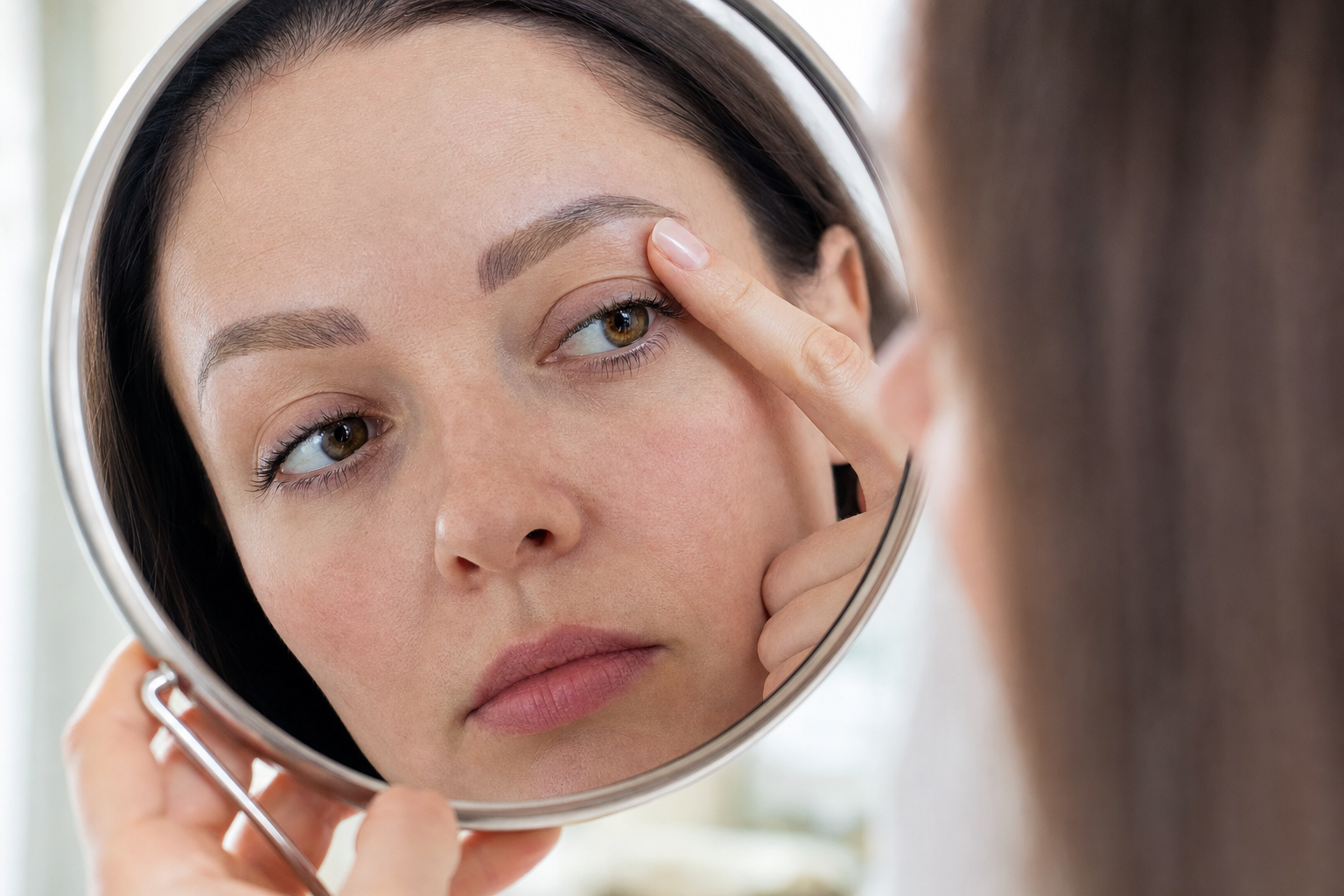
The decision to remove microblading rarely comes lightly. After investing time, money, and emotional energy into achieving perfect brows, admitting you want them gone feels heavy. But you’re not alone, and your reasons are valid.
Color shift ranks among the most common complaints. What started as a soft brown can oxidize into red, orange, or even bluish tones over time. This happens when pigments interact with your unique skin chemistry, sun exposure, and the specific formulation used. Some bodies metabolize certain color molecules faster than others, leaving behind the cooler undertones that create that telltale unnatural hue.
Shape dissatisfaction follows closely behind. Brow trends evolve, faces change with age, and what felt right three years ago might look heavy or outdated now. Perhaps the artist created arches too high, tails too long, or a shape that simply doesn’t reflect who you are anymore. At Fantasy Beauty in Mont-Royal, Leila often meets clients seeking removal specifically because their original microblading lacked personalized brow mapping, resulting in a cookie-cutter shape that never quite harmonized with their facial structure.
Technique regret also drives removal decisions. Early microblading often went too deep into the skin, creating strokes that blurred or scarred. Some women discover they’re better candidates for softer techniques like eyebrow shading, which creates a powdered effect rather than individual hair strokes. Others simply want a fresh start with an artist whose style better matches their aesthetic vision.
Then there’s lifestyle change. A bold brow that suited your corporate career might feel too severe for a new creative path. Pregnancy and hormonal shifts can alter how pigment sits in your skin. Sometimes, you just want your natural brows back, with all their imperfect authenticity.
Natural Fading vs. Active Removal: Understanding the Timeline
Before diving into removal procedures, it’s worth understanding what happens when you simply wait. Microblading is semi-permanent, meaning it naturally fades over time as your body metabolizes the pigment and your skin regenerates.
Most microblading reaches noticeable fading between 12 to 18 months, though this varies wildly based on your skin type, lifestyle, and aftercare habits. Oily skin tends to push out pigment faster, sometimes fading significantly within the first year. Dry or mature skin holds pigment longer, occasionally maintaining visible color for two to three years.
Sun exposure accelerates fading dramatically. UV rays break down pigment molecules, which explains why women who spend summers outdoors see faster lightening. Regular exfoliation, whether through skincare acids or physical scrubs, also encourages pigment migration toward the skin’s surface where it eventually sheds.
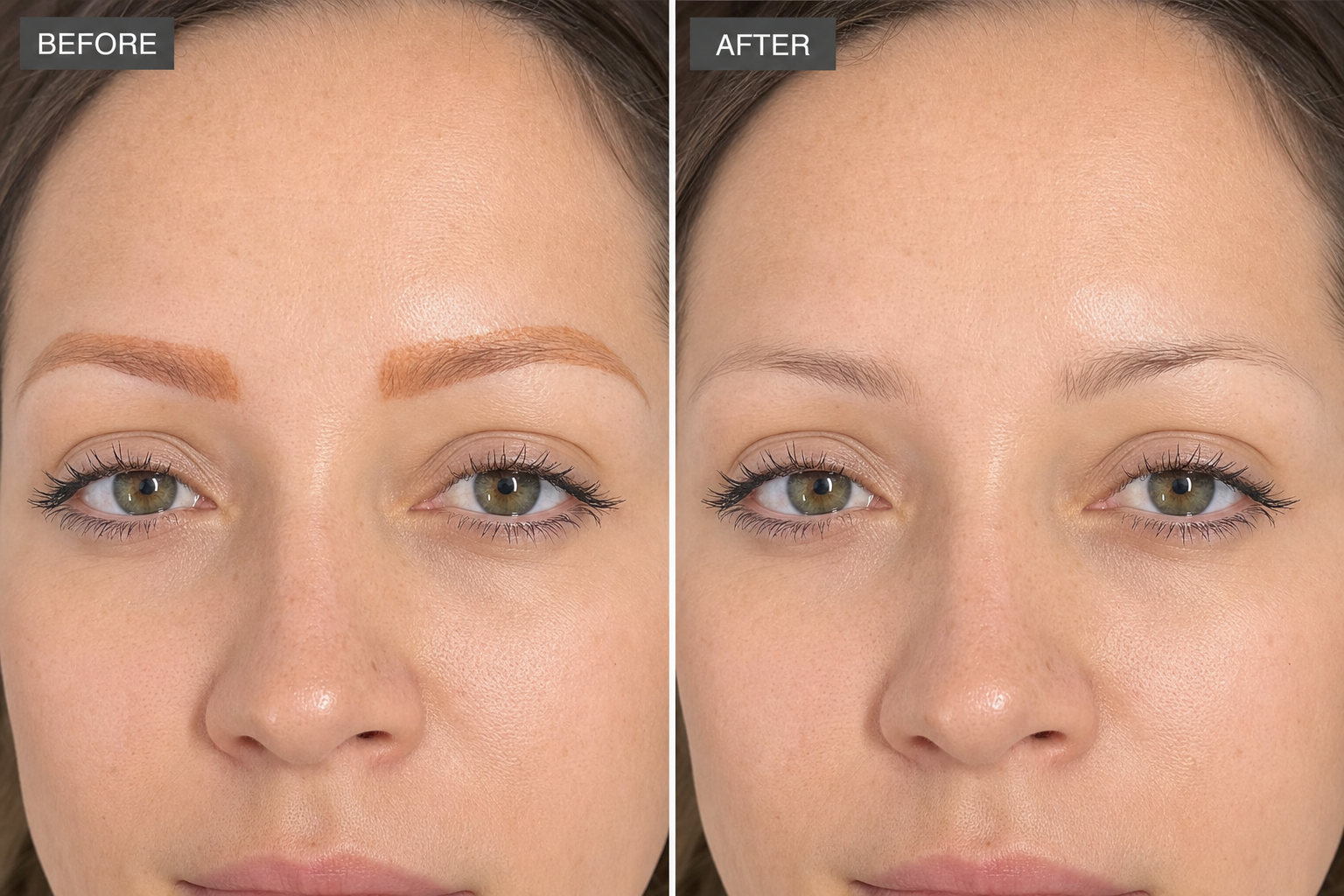
But here’s the challenge with passive waiting: fading is uneven and unpredictable. You might end up with patchy remnants that linger stubbornly in certain areas while other sections disappear completely. The pigment often doesn’t fade to invisible, it fades to a lighter, sometimes stranger version of itself. Those peachy or ashy tones can persist for years, creating a shadow of your former microblading that’s not quite there but never quite gone.
If you need results within a specific timeframe, whether for a wedding, career change, or simply peace of mind, active removal becomes the practical choice. Natural fading works when you have patience and can live with the in-between phase. Active removal works when you need control over the timeline and final result.
Laser Tattoo Removal for Microblading: The Gold Standard
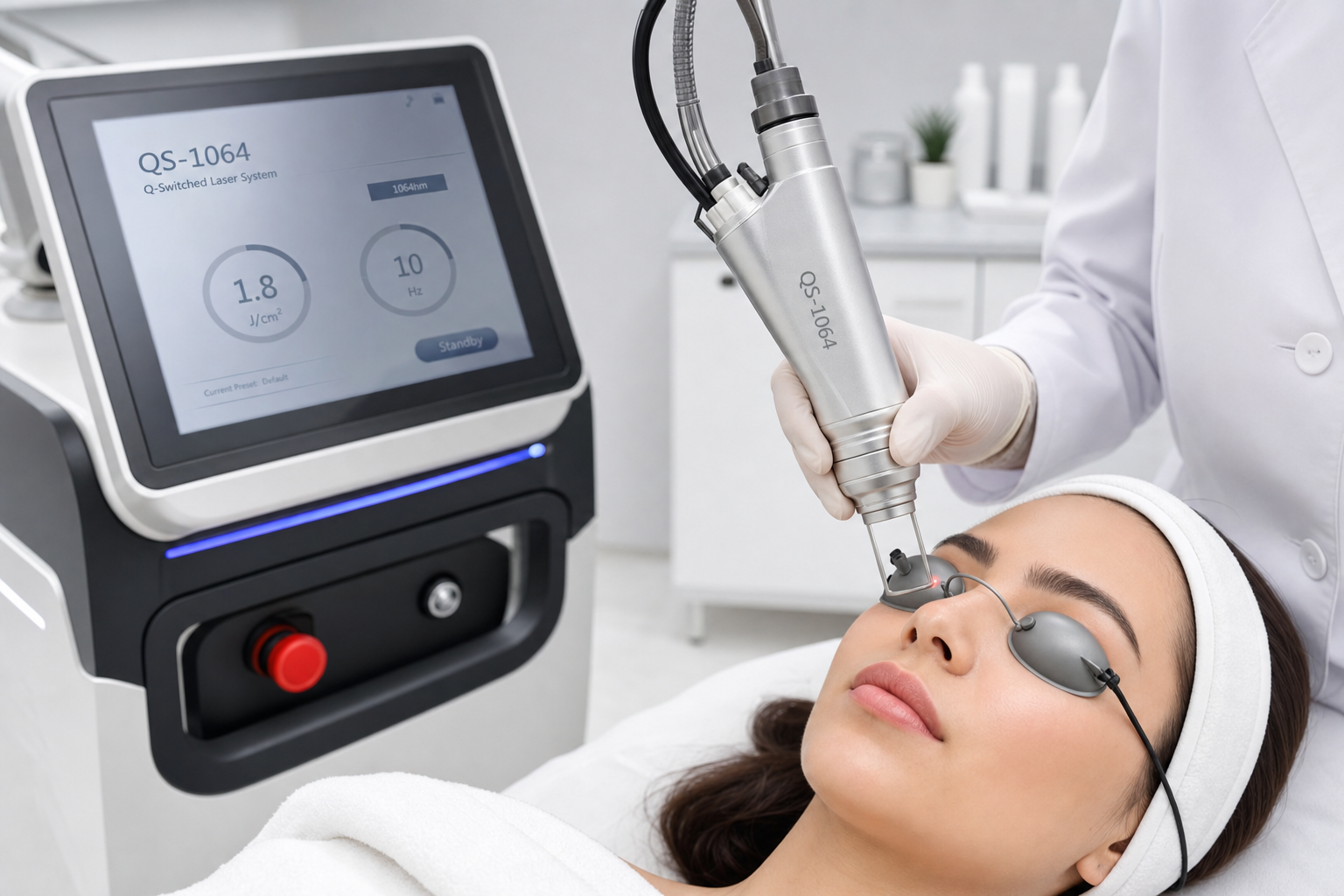
Laser removal has become the most effective and widely recommended method for eliminating unwanted microblading. Specifically, Q-switched lasers and picosecond lasers target pigment particles beneath the skin’s surface without damaging surrounding tissue.
The technology works through selective photothermolysis, a process where laser light energy is absorbed by pigment molecules, causing them to shatter into smaller fragments. Your lymphatic system then naturally flushes these tiny particles from your body over the following weeks. Each session progressively lightens the microblading until it reaches your desired fade level or complete removal.
At Fantasy Beauty, located at 2305 Rockland Rd, Unit 1590 in Mont-Royal, the eyebrow tattoo removal process uses advanced laser technology calibrated specifically for facial work and brow pigments. Leila’s decade of experience with permanent makeup means she understands which pigments respond to which wavelengths, an expertise that prevents common complications like hyperpigmentation or incomplete removal.
Most microblading requires 3 to 6 laser sessions spaced 6 to 8 weeks apart. Darker pigments typically respond faster than lighter ones. Black and dark brown break down more readily, while stubborn reds and oranges may need additional passes. Iron oxide pigments, common in many microblading formulas, respond exceptionally well to laser treatment.
The sensation feels like tiny rubber band snaps against your skin. Most clients describe it as tolerable, especially compared to the microblading application itself. Topical numbing cream minimizes discomfort, and sessions last only 10 to 20 minutes depending on brow size and pigment density.
Post-treatment, expect temporary redness, slight swelling, and possibly some pinpoint bleeding. The treated area may darken initially before fading, a normal response called frosting. Scabbing occurs as your skin heals, and proper aftercare ensures those scabs shed naturally without pulling pigment back to the surface or causing scarring.
The investment varies based on pigment density and desired endpoint, but laser removal typically costs between $150 to $300 per session in Montreal. Complete removal often runs $600 to $1,500 total, while partial lightening for a cover-up requires fewer sessions and lower investment.
Saline Removal: A Gentler Alternative
Saline removal offers a non-laser option that works particularly well for certain situations. This technique uses a specially formulated salt solution tattooed into the same area as your existing microblading. The saline draws pigment to the skin’s surface through osmosis, where it eventually scabs off along with the solution.
The process mimics tattooing itself. A permanent makeup device or manual tool deposits the saline solution in small amounts across the pigmented area. Over the following week, the treated skin forms a scab that contains both the saline and lifted pigment. When that scab naturally sheds, it takes pigment with it.
Saline removal works exceptionally well for fresh microblading, ideally within the first year. It’s also the preferred method for removing pigments that don’t respond well to laser, particularly certain organic pigments or colors containing titanium dioxide, which can darken rather than lighten under laser light.
The timeline extends longer than laser. Most saline removal requires 3 to 8 sessions spaced 8 to 12 weeks apart, as each session can only safely remove a portion of pigment without over-traumatizing the skin. The gradual approach prevents scarring and allows proper healing between treatments.
Results appear more variable than laser. Some women see dramatic lightening after just one session, while others need persistent treatment for stubborn pigment. Skin type influences outcomes, with thicker skin sometimes resisting the osmotic action more than thin, delicate brow skin.
Cost typically ranges from $100 to $250 per session, making the total investment comparable to laser when you factor in the higher number of sessions usually required. The advantage lies in the gentler approach and universal applicability across all pigment types.
Glycolic Acid and Chemical Solutions: Proceed with Caution
Some removal specialists use glycolic acid peels or other chemical solutions to fade microblading. These treatments exfoliate the skin’s upper layers, encouraging faster pigment migration to the surface. While effective in skilled hands, chemical removal carries higher risks and requires extreme precision.
Glycolic acid, an alpha-hydroxy acid, breaks down the bonds between dead skin cells, accelerating cellular turnover. When applied to microbladed areas, this process theoretically brings pigment closer to the surface where it sheds more rapidly. The challenge lies in controlling the depth and intensity of the peel to avoid burns, hyperpigmentation, or scarring on the delicate brow area.
Professional application is absolutely non-negotiable. Home glycolic treatments or DIY removal attempts using high-concentration acids lead to chemical burns, permanent scarring, and pigment staining that’s harder to remove than the original microblading. The eyebrow area’s thin skin and proximity to your eyes make amateur chemical removal genuinely dangerous.
Even professional chemical removal shows mixed results. Some pigments lighten beautifully, while others remain frustratingly persistent. The process often creates uneven fading, leaving you with splotchy brows that still require laser or saline treatment to complete the removal.
Most experienced permanent makeup artists, including those at women-focused studios like Fantasy Beauty, recommend laser or saline as first-line removal options, reserving chemical methods for very specific situations where other techniques aren’t suitable.
What to Expect During and After Removal
Understanding the removal journey helps set realistic expectations and prevents disappointment during the multi-week process.
Your first appointment begins with consultation. A qualified technician examines your microblading, discusses your goals, analyzes pigment color, and assesses your skin type. This evaluation determines which removal method suits your situation best and how many sessions you’ll likely need.
During laser treatment, you’ll wear protective eye shields. The technician applies numbing cream 20 to 30 minutes before treatment for maximum comfort. The laser passes over your brows in systematic patterns, targeting all pigmented areas. You’ll hear clicking sounds and smell a faint burning scent as pigment particles fragment.
Immediately after, your brows appear slightly swollen and red, similar to a mild sunburn. Some pinpoint bleeding occurs where pigment was densest. The treated area often looks darker initially as pigment fragments rise toward the surface. This temporary darkening, called the ghosting phase, fades within 24 to 48 hours.
The following week brings scabbing. These scabs protect healing skin beneath while your body processes shattered pigment particles. Resist every urge to pick or scratch. Premature scab removal pulls healing skin, risks scarring, and can drag pigment back into the dermis, undoing the removal progress.
As scabs shed naturally over 7 to 10 days, you’ll see the first lightening results. However, the dramatic fading happens more gradually over the following 4 to 8 weeks as your lymphatic system continues clearing pigment fragments. This delayed fading explains why sessions space 6 to 8 weeks apart, allowing complete healing and full pigment clearance before the next treatment.
Between sessions, protect your brows from sun exposure. UV rays can cause hyperpigmentation in healing skin and slow removal progress. Apply SPF 30 or higher daily, wear hats outdoors, and avoid tanning beds entirely.
Moisturize healed brows with gentle, fragrance-free products. Avoid retinols, glycolic acids, and other active ingredients that might irritate the area. Skip makeup on your brows while scabs remain.
The full removal timeline typically spans 6 to 12 months from first session to final result, depending on pigment density, your body’s metabolic rate, and how many sessions your situation requires. Patience becomes your most valuable asset during this journey.
Starting Fresh: Your Options After Removal
One of the most exciting aspects of microblading removal is the blank canvas it creates. Once your brows heal completely from the final removal session, you’re free to choose whatever comes next.
Many women pursue new permanent makeup with updated techniques. Microblading has evolved significantly, with artists now using finer tools, better pigments, and more sophisticated mapping techniques. Nano brows, which use a permanent makeup device rather than a manual blade, create even more natural hairstrokes with less trauma to the skin.
Powder brows or ombre brows offer a completely different aesthetic. These techniques create a soft, filled-in look similar to makeup application rather than individual hair strokes. For women whose skin didn’t hold microblading strokes well or who prefer a more defined brow, powder techniques often yield better long-term results.
Combination brows merge hairstrokes in the front portion with shading through the body and tail, creating dimension and fullness that looks remarkably natural. This hybrid approach suits women who want definition without the stark appearance of solid shading.
At Fantasy Beauty, Leila uses PHI-certified organic pigments and personalized brow mapping to ensure any new permanent makeup complements your unique facial geometry and coloring. The women-only studio environment in Montreal’s Mont-Royal neighborhood creates a comfortable space for discussing exactly what you want this time, armed with the wisdom of what didn’t work before.
Wait at least 6 to 8 weeks after your final removal session before applying new permanent makeup. This healing window allows your skin to recover completely, ensuring the new pigment implants properly and heals with the best possible color retention.
Some women choose to embrace their natural brows after removal. Eyebrow lamination creates fuller-looking brows by setting your natural hairs in an upward, uniform direction. Paired with strategic trimming and tinting, lamination can transform sparse or unruly brows without any permanent commitment.
Others discover that after years of microblading, their natural brows have actually grown back fuller than expected. Regular brow grooming, growth serums, and makeup application might be all you need once you see your bare brows again.
Frequently Asked Questions About Microblading Removal
How long does it take to completely remove microblading?
Complete microblading removal typically takes 6 to 12 months, requiring 3 to 6 laser sessions or 4 to 8 saline sessions spaced 6 to 12 weeks apart. The exact timeline depends on pigment density, color, depth, your skin type, and your body’s lymphatic efficiency. Darker pigments fade faster than lighter ones, and shallow microblading removes more quickly than deeply implanted pigment. Women with faster metabolisms and excellent circulation often see quicker results than those with slower systems.
Does laser removal damage your natural eyebrow hair?
When performed correctly by an experienced technician, laser removal does not permanently damage eyebrow hair follicles. You may experience temporary hair shedding in the treated area as part of the healing process, but hair typically regrows within a few months. The laser targets pigment particles, not hair follicles, though the heat generated can create temporary follicle shock. This is why choosing a specialist experienced specifically in facial permanent makeup removal, like those at established Montreal studios such as Fantasy Beauty, matters significantly for protecting your natural brows.
Can I remove microblading at home?
Professional removal is strongly recommended over any DIY method. Home removal attempts using acids, abrasives, or other techniques carry serious risks including chemical burns, scarring, infection, and paradoxically, deeper pigment embedding that makes professional removal harder. The eyebrow area’s delicate skin and proximity to your eyes make amateur removal genuinely dangerous. While natural fading methods like gentle exfoliation and sun exposure can gradually lighten microblading, they work slowly and unpredictably. For controlled, safe removal within a reasonable timeframe, professional laser or saline treatment is worth the investment.
How much does microblading removal cost in Montreal?
In Montreal, laser microblading removal typically costs $150 to $300 per session, with complete removal ranging from $600 to $1,500 depending on how many sessions your situation requires. Saline removal runs slightly less per session at $100 to $250, though you may need more total sessions. Partial removal for lightening before a cover-up costs less since you won’t need as many treatments. Location, technician experience, and studio quality influence pricing. Established studios in areas like Mont-Royal with certified specialists often charge more but provide better results with fewer complications, making them more cost-effective long-term.
Will removal leave scars on my eyebrows?
Properly performed removal by a qualified professional should not cause scarring. Both laser and saline removal work within the skin layers without cutting or deeply traumatizing tissue. However, picking at scabs, using excessive force, or having removal performed by inexperienced technicians increases scarring risk significantly. Pre-existing scarring from the original microblading itself, particularly if it was done too deeply or with excessive trauma, may become more visible once pigment is removed. Following strict aftercare instructions, allowing scabs to shed naturally, protecting healing skin from sun exposure, and choosing experienced removal specialists minimizes any scarring risk.
Ready for a Fresh Start with Your Brows?
Removing microblading isn’t admitting defeat. It’s taking control of your appearance and making space for something that truly serves you. Whether your microblading aged poorly, never suited you, or you’re simply ready for change, professional removal offers a safe path back to natural brows or toward better permanent makeup that reflects who you are now.
If you’re in Montreal or the surrounding Quebec area, Fantasy Beauty in Mont-Royal specializes in both expert removal and beautiful new permanent makeup applications. Leila brings over 10 years of certified experience to every client, combining technical precision with artistic vision in a comfortable women-only environment. Whether you need complete removal, partial lightening for a cover-up, or consultation about your best next steps, book your appointment at 2305 Rockland Rd, Unit 1590, or call (514) 885-8456 to begin your journey toward the brows you’ve always wanted.