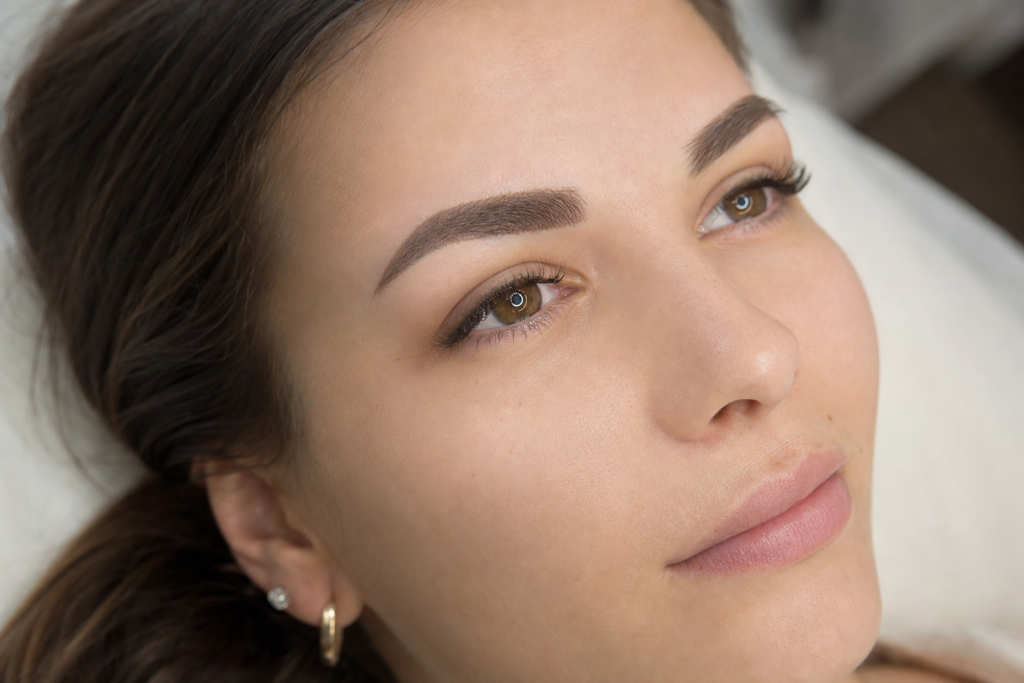
Can I Get Nano Brows After Microblading? Complete Transition Guide 2026
Here’s something most brow artists won’t admit upfront: transitioning from microblading to nano brows isn’t as simple as booking your next appointment. The decision involves understanding pigment saturation, scar tissue formation, and the delicate architecture of your skin after months or years of blade work. While both techniques fall under the permanent makeup umbrella, they interact with your skin in fundamentally different ways. Microblading uses a manual blade that creates deeper incisions, while nano brows rely on a single-needle machine that deposits pigment with surgical precision. If your microblading has faded unevenly, left visible scarring, or simply doesn’t match your evolved aesthetic, nano brows offer a refined alternative. But timing matters. So does the condition of your existing work. The answer isn’t just yes or no, it’s about understanding what your skin has been through and what it can handle next.
Understanding the Fundamental Difference Between Microblading and Nano Brows
Microblading carved out its place in the beauty world by mimicking individual brow hairs through manual blade strokes. The technique involves a handheld tool with tiny needles arranged in a row, creating fine cuts in the epidermis where pigment settles. It delivers dramatic, hair-like results that photograph beautifully.
But here’s the trade-off: those blade strokes cut deeper than machine needles, which means more trauma to the skin’s surface. Over time, especially with repeated sessions, this can lead to scar tissue buildup that prevents clean pigment retention.
Nano brows operate on an entirely different principle. Using a permanent makeup machine with a single nano-needle cartridge, the technique deposits pigment through controlled perforations rather than cuts. At Fantasy Beauty in Mont-Royal, we use PHI-certified organic pigments with this machine method to create hair strokes that rival microblading in realism but heal softer and last longer. The nano needle works at a shallower depth with less skin disruption, which means better color retention and fewer healing complications.
The visual difference becomes clear after healing. Microblading strokes can blur or disappear in patches, especially on oily skin types. Nano brow strokes maintain their definition because the pigment sits in a more controlled layer of the dermis. The color stays crisp without spreading under the skin, a phenomenon called blowout that happens when pigment migrates beyond the intended stroke.
For clients who’ve experienced microblading fading, the appeal of nano brows lies in longevity and consistency. The machine method allows for precise control over needle depth, pressure, and pigment saturation. This matters enormously when working over previously microbladed skin, where scar tissue may have altered the skin’s texture and absorption capacity.
When Can You Safely Transition From Microblading to Nano Brows?
Timing isn’t arbitrary. Your skin needs adequate healing time between permanent makeup sessions to rebuild its structural integrity. Rush the process, and you risk poor pigment retention, prolonged healing, and unpredictable color results.
If your microblading is fully healed and more than 18 months old, you’re typically in the clear for nano brows. At this stage, the pigment has faded significantly, scar tissue has stabilized, and your skin has completed multiple regeneration cycles. The epidermis has shed the damaged layers, leaving a relatively clean canvas.
For microblading less than 18 months old but visibly faded, the decision becomes more nuanced. Leila, our certified permanent makeup artist with over a decade of experience, performs a thorough skin assessment before booking any transition client. She examines pigment saturation, checks for raised scar tissue, and tests skin elasticity to determine if additional work will yield the desired results or simply compound existing issues.
Here’s what disqualifies you from immediate nano brows:
- Active healing from a microblading session within the past 6-8 weeks
- Visible raised scarring or keloid formation along the brow line
- Dark, saturated pigment that hasn’t faded below 40% of its original intensity
- Skin inflammation, eczema, or active breakouts in the brow area
- Recent use of retinoids or chemical peels near the brows
If your microblading still carries heavy pigment, you have two options: wait for additional fading or pursue eyebrow tattoo removal to accelerate the lightening process. Laser removal sessions can reduce pigment concentration in 2-4 treatments, creating a better foundation for nano brow work. This approach particularly benefits clients whose microblading oxidized into an unwanted shade or was placed too low on the brow bone.
How Previous Microblading Affects Your Nano Brow Results
Your microblading history becomes part of your skin’s permanent record. Even after complete fading, the blade work leaves behind microscopic changes in dermal texture. This isn’t necessarily problematic, but it does influence how nano brow pigment behaves during and after the procedure.
Scar tissue from repeated microblading sessions creates areas of decreased pigment absorption. When the nano needle passes through these zones, less color may implant compared to untouched skin nearby. Experienced artists compensate by adjusting needle depth and making additional passes over scarred areas, but the results can still show slight variation in stroke intensity.
At Fantasy Beauty, located at 2305 Rockland Rd, Unit 1590 in Mont-Royal, we address this through customized brow mapping that accounts for your previous work. Before any pigment touches your skin, we identify where old microblading strokes lived and how they’ve altered the tissue. This mapping informs stroke placement, ensuring nano brows enhance rather than compete with the skin’s current condition.
Color matching becomes more complex when residual microblading pigment remains in the dermis. Even faded pigment retains undertones, often warm or ashy depending on the original formula and your skin chemistry. New nano brow pigment mixes optically with these undertones during healing, which can shift the final color slightly. Professional artists select nano pigments that harmonize with or neutralize existing undertones rather than fighting against them.
The good news: nano brows typically heal more predictably than microblading, even on previously worked skin. The shallow needle depth and controlled pigment deposit mean less bleeding during the procedure and more accurate color preview during the session. What you see on the table closely resembles the healed result, minus the initial intensity that fades during the first two weeks.
Clients switching from microblading often notice their nano brows feel less invasive during the procedure. The machine’s vibration differs from the scraping sensation of a manual blade, and many find it more comfortable despite similar numbing protocols. Healing also tends to progress faster because the skin experiences less trauma per stroke.
The Step-by-Step Transition Process From Microblading to Nano Brows
Transitioning techniques isn’t just about showing up for a new appointment. It’s a phased process that begins weeks before pigment application and continues through your touch-up appointment.
Phase One: Consultation and Skin Assessment
Your transition starts with an honest evaluation of your current brows. This goes beyond examining what’s visible. A skilled permanent makeup artist checks for textural changes, tests how your skin rebounds after gentle pressure, and discusses your microblading timeline including number of sessions and any complications.
During consultations at our women-only studio in Montreal, we photograph your brows in natural light to document pigment distribution and identify areas where microblading created uneven density. These photos become reference points throughout your nano brow journey, helping track how new pigment integrates with your skin.
You’ll also discuss realistic expectations. If your microblading left significant scarring, nano brows can improve the appearance but may not achieve the same flawless look possible on untouched skin. Transparency here prevents disappointment later.
Phase Two: Preparation Period
The weeks leading up to your nano brow appointment directly impact your results. You’ll pause any treatments that thin or sensitize the skin: retinols, glycolic acids, laser treatments, and facial waxing near the brows. Blood-thinning medications and supplements like aspirin, ibuprofen, and fish oil get temporarily discontinued to minimize bleeding during the procedure.
Hydration matters more than most clients realize. Well-hydrated skin accepts and retains pigment more evenly than dehydrated skin. Drinking adequate water and using a gentle moisturizer on your face (avoiding the immediate brow area 24 hours before) prepares your skin for optimal pigment implantation.
Phase Three: The Nano Brow Session
On appointment day, your artist begins with fresh brow mapping, even if you had microblading previously. Facial features shift subtly over time, and your brow bone structure deserves a design that flatters your face now, not as it was years ago. This personalized mapping ensures your nano brows follow your natural bone structure and complement your facial proportions.
Numbing cream applied for 20-30 minutes makes the procedure comfortable. As the nano needle creates each hair stroke, you’ll notice the process feels methodical and controlled. Unlike microblading’s sweeping blade motions, the machine delivers consistent needle depth with each stroke. This precision becomes especially important when working around areas of previous pigment or scar tissue.
The session typically runs 2-3 hours depending on brow fullness and whether you’re incorporating eyebrow shading for added dimension. Your artist builds the brows gradually, allowing you to see progress and provide input before finalizing the design.
Phase Four: Healing and Touch-Up
Healing unfolds in predictable stages over 4-6 weeks. Days 1-7 bring the darkest, boldest brows as the initial pigment oxidizes and the skin begins its repair process. By week two, you’ll experience the « ghosting phase » where pigment appears to vanish as the epidermis sheds and regenerates. Don’t panic. This is normal.
By week four, your true nano brow color emerges as the skin settles and the pigment stabilizes in the dermal layer. The 6-8 week touch-up appointment refines any strokes that healed lighter, adjusts color if needed, and adds density where your skin may have rejected pigment during initial healing.
For clients transitioning from microblading, this touch-up becomes particularly valuable. It addresses any unpredictability from working over previously treated skin and ensures your nano brows achieve the longevity and consistency you’re seeking.
Comparing Healing: Microblading vs Nano Brows on Previously Worked Skin
The healing journey differs substantially between microblading and nano brows, especially when your skin carries the history of previous permanent makeup work.
| Healing Aspect | Microblading on Virgin Skin | Microblading on Previously Worked Skin | Nano Brows After Microblading |
|---|---|---|---|
| Immediate Trauma | Moderate to high | High due to scar tissue | Low to moderate |
| Scabbing Intensity | Thick, visible scabs | Heavier scabbing, longer duration | Minimal, thin flaking |
| Pigment Retention | 70-80% initial deposit | 50-70% due to scarring | 75-85% even over previous work |
| Color Predictability | Generally accurate | May shift unexpectedly | High accuracy with proper artist assessment |
| Healing Timeline | 7-10 days visible healing | 10-14 days visible healing | 5-7 days visible healing |
| Touch-Up Necessity | Standard at 6-8 weeks | Often requires additional session | Standard at 6-8 weeks |
What makes nano brows heal more favorably comes down to the size and depth of skin disruption. The single nano needle creates tiny perforations rather than cuts, which means your body’s inflammatory response stays contained. Less inflammation equals faster healing and more predictable pigment retention.
Clients who’ve healed from both techniques consistently report nano brows feeling less tender during the recovery period. The absence of thick scabbing means less temptation to pick, which directly correlates with better final results. When you’re not fighting the urge to remove crusty scabs, more pigment stays where it belongs.
The aftercare routine remains similar between techniques: keep the area clean, avoid excessive moisture for the first week, no makeup on the brows, and absolutely no picking. But nano brows forgive minor aftercare mistakes more readily than microblading. A bit of water splashing during face washing won’t destroy your results the way it might compromise fresh microblading strokes.
What to Expect During Your First Year With Nano Brows After Microblading
Your nano brow journey extends well beyond the initial healing period. The first year reveals how the new pigment integrates with your skin long-term and whether additional adjustments enhance your results.
Months 1-3 represent the settling phase. Your nano brows will soften from their initial intensity, and the hair strokes will blend naturally with your existing brow hair. Any residual microblading pigment continues fading beneath the new work, gradually becoming invisible as the nano pigment dominates. During this window, protect your investment by using SPF on your brows whenever you’re outdoors. UV exposure is the primary enemy of permanent makeup longevity.
By month 6, you’ll have a clear picture of how your skin retains the specific pigment formula used. Some clients notice certain strokes faded slightly faster than others, typically in areas where old microblading scarring affected absorption. This is normal and easily addressed during an annual touch-up.
The 12-month mark invites reassessment. At Fantasy Beauty, we recommend annual touch-ups to maintain nano brow vibrancy and address any natural fading from skin cell turnover. These sessions take less time than your initial appointment because we’re refreshing existing work rather than building from scratch. They also provide opportunity to adjust shape subtly as your face matures or your style preferences evolve.
Most clients find their nano brows remain beautifully defined for 18-24 months before needing attention, significantly longer than microblading’s typical 12-18 month lifespan. The extended longevity comes from superior pigment retention in the dermal layer and minimal scar tissue accumulation that might reject future touch-ups.
Throughout your first year, you might notice your nano brows respond differently to skincare products compared to your microblading. Retinols and acids still require caution near the brows, but the deeper dermal placement of nano pigment makes it slightly more resistant to surface-level product interference. Still, direct application on the brows should be avoided to prevent premature fading.
Special Considerations for Different Skin Types and Previous Microblading Outcomes
Not all microblading fades equally, and not all skin accepts nano brows the same way. Your individual factors determine the specific approach needed for successful transition.
Oily Skin Clients
If you have oily skin, you probably experienced faster microblading fading and some stroke blurring as sebum pushed pigment beneath the skin surface. Nano brows solve this frustration. The machine method allows for slightly deeper pigment placement that sits below the oil-producing layer while remaining in the safe dermal zone. This means better retention and crisper strokes even as your skin produces natural oils.
During your nano brow session, Leila may adjust technique specifically for oily skin by using a slightly longer needle taper and making strategic passes that ensure adequate pigment saturation. The goal is longevity that matches what dry and normal skin clients achieve naturally.
Mature Skin Considerations
Mature skin brings its own set of considerations, particularly decreased elasticity and slower healing response. If you’re over 50 and transitioning from microblading, expect healing to take the longer end of the typical timeline. Your skin still accepts nano brow pigment beautifully, but the regeneration process unfolds more gradually.
The benefit: mature skin often retains permanent makeup longer because cell turnover happens at a slower rate. Your nano brows may look fresh for 2+ years before requiring a touch-up. The trade-off is being extra patient during initial healing and possibly scheduling a slightly earlier touch-up appointment to assess retention.
Scarring and Pigment Complications
Heavy scarring from aggressive microblading or multiple correction attempts requires honest conversation about realistic outcomes. Scar tissue doesn’t accept pigment the same way healthy skin does. In some cases, nano brows can camouflage scarring by creating an overall fullness that draws the eye away from individual imperfections. In severe cases, you might need to consider combination techniques like pairing hair strokes with soft powder shading to create optical evenness.
If your previous microblading turned an unwanted color (think orange, blue, or gray undertones), the nano brow pigment selection becomes crucial. Cool-toned correctors can neutralize warm oxidation, while warm pigments can counteract ashy results. This color theory work happens during your consultation, where your artist determines whether your existing undertones will interfere with your desired nano brow shade.
Sensitive Skin and Allergies
Clients with sensitive skin or previous reactions to microblading pigments need patch testing before committing to nano brows. While rare, pigment allergies can develop over time or vary between product lines. At our Mont-Royal location, we use PHI-certified organic pigments known for their low reactivity profile, but individual sensitivity can never be completely predicted without testing.
A small patch test behind the ear or on the inner arm, allowed to heal for 48-72 hours, reveals whether you’ll tolerate the specific nano brow pigment formula planned for your procedure. This extra step provides peace of mind and prevents complications that would derail your permanent makeup journey.
Frequently Asked Questions About Getting Nano Brows After Microblading
How long after microblading can I get nano brows?
The safest timeline is 18 months after your last microblading session, though some clients qualify earlier if their microblading has faded significantly. A professional skin assessment determines your specific readiness based on pigment saturation, scar tissue presence, and overall skin health. If heavy pigment remains, you may need to wait longer or pursue removal treatments to create a better foundation for nano brow work.
Will nano brows cover my faded microblading completely?
Nano brows can effectively cover and blend with faded microblading, creating a cohesive new look. However, if your microblading pigment is still quite visible or has oxidized into an unusual color, it may influence the appearance of your new nano brows. In cases of heavy remaining pigment, your artist might recommend eyebrow tattoo removal first or select specific nano pigments that neutralize existing undertones for the most natural final result.
Is the healing process worse when getting nano brows over old microblading?
Healing is typically easier with nano brows compared to your original microblading experience, even when working over previously treated skin. The nano needle creates less trauma, resulting in minimal scabbing and faster recovery. Most clients experience only light flaking rather than thick scabs. The presence of old microblading scar tissue may slightly extend healing in specific areas, but overall, the process remains manageable and less uncomfortable than microblading healing.
Can I combine nano brows with other permanent makeup services?
Combining services depends on your skin’s condition and healing capacity. Many clients successfully pair nano brows with lip blush during the same appointment since these areas heal independently. However, if you’re transitioning from compromised microblading with scarring concerns, focusing solely on achieving perfect nano brows first makes sense. Additional services like eyebrow lamination should wait until your nano brows have fully healed, typically 6-8 weeks post-procedure.
What if I’m not happy with how my nano brows turn out over my old microblading?
Professional nano brow artists account for previous work during design and pigment selection, which minimizes unexpected results. However, if you’re unsatisfied after healing, your touch-up appointment at 6-8 weeks provides opportunity for adjustments to shape, color, or density. In rare cases where results truly miss the mark, pigment removal remains an option, though this situation is uncommon when working with an experienced permanent makeup specialist who properly assessed your skin beforehand.
Ready to Transform Your Brows? Book Your Nano Brow Consultation
Transitioning from microblading to nano brows opens a new chapter in your permanent makeup journey, one defined by longevity, precision, and brows that finally match your expectations. Whether your microblading faded unevenly, scarred unexpectedly, or simply no longer suits your aesthetic, nano brows offer the refined solution you’ve been seeking. The machine method delivers consistent, natural-looking hair strokes that age gracefully and require minimal maintenance compared to blade techniques.
At Fantasy Beauty, Leila brings over 10 years of permanent makeup expertise to every nano brow consultation and procedure. Our women-only studio in Mont-Royal provides the comfortable, professional environment you deserve for this transformation. From personalized brow mapping that honors your unique facial structure to PHI-certified organic pigments selected specifically for your skin and coloring, every detail receives careful attention. Ready to see what nano brows can do for you? Book your consultation at our Montreal location by calling (514) 885-8456 or scheduling online. Your journey to effortlessly beautiful brows starts with one conversation.