What is Microblading: The Complete Guide to Natural, Hair-Like Brows
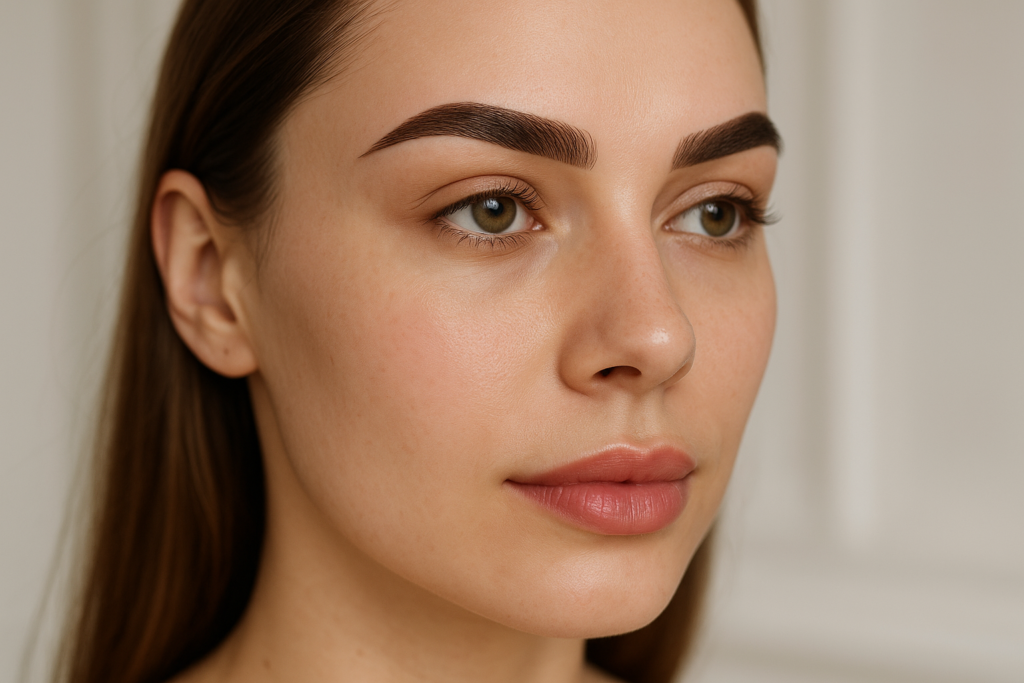
The pencils are down. The powders have been swept aside. After years of filling, shaping, and redrawing the same brows every single morning, thousands of women across Montreal and beyond are discovering a different approach: semi-permanent makeup that looks like actual hair. Microblading isn’t a tattoo in the traditional sense, and it’s not stamped on with a machine. It’s a manual art form where each stroke is placed by hand, mimicking the fine texture and direction of natural brow hairs with precision that makeup simply cannot achieve.
If you’ve seen women with brows that look impossibly perfect yet entirely believable, you’ve likely witnessed the results of skilled microblading. The technique has evolved dramatically over the past decade, moving from blocky, overly arched results to the soft, dimensional brows that now define the modern standard. At Fantasy Beauty in Mont-Royal, this evolution is something we’ve both witnessed and contributed to, working with women who want their features enhanced without looking augmented.
Understanding the Microblading Technique
Microblading is a form of permanent makeup that uses a handheld tool with ultra-fine needles to deposit pigment into the skin’s upper dermal layer. Unlike traditional tattooing, which uses a machine, microblading is entirely manual. The artist controls every movement, pressure, and angle.
The tool itself resembles a tiny blade composed of 7 to 21 micro-needles arranged in a row. When the artist draws across the skin, these needles create fine incisions that are immediately filled with specially formulated pigment. Each stroke is placed individually, following the natural direction and curve of your existing brow hairs.
This is not a one-size-fits-all procedure. Before any pigment touches your skin, the artist performs brow mapping, a process that takes into account your bone structure, face shape, eye placement, and natural brow growth pattern. The goal is symmetry that feels organic, not mirrored. Real faces are asymmetrical, and skilled artists work with that reality rather than against it.
The pigments used in microblading differ significantly from traditional tattoo ink. They’re designed to fade gradually over time, which is why microblading is considered semi-permanent rather than permanent. At Fantasy Beauty, Leila works exclusively with PHI-certified organic pigments that are formulated to maintain their true color without turning blue, red, or ashy as they fade. This matters more than most clients realize when they’re choosing an artist.
How Microblading Differs from Other Brow Techniques
The permanent makeup world offers several brow enhancement methods, and understanding the differences helps you choose the right one for your skin type, lifestyle, and aesthetic goals.
| Technique | Method | Best For | Result Style |
|---|---|---|---|
| Microblading | Manual handheld tool | Normal to dry skin, those wanting hair strokes | Natural, feathered hair-like strokes |
| Nano Brows | Digital machine with single needle | Oily or mature skin, longer retention | Ultra-fine hair strokes, crisp lines |
| Powder Brows | Machine with shading technique | Oily skin, those wanting filled-in look | Soft powder or ombre effect |
| Combination Brows | Manual strokes plus machine shading | Most skin types, maximum dimension | Hair strokes at front, powder through body |
Microblading excels when you have relatively good brow hair already and want to add fullness, definition, or fill small gaps. The strokes blend seamlessly with your natural hairs, making it nearly impossible to distinguish where your real brows end and the pigment begins.
However, microblading isn’t ideal for everyone. Women with very oily skin often experience faster fading and blurring of the strokes because excess sebum pushes the pigment around beneath the skin’s surface. In those cases, nano brows or powder techniques typically yield better, longer-lasting results. A knowledgeable artist will assess your skin during consultation and recommend the technique most likely to succeed on your specific canvas.
The Microblading Procedure: What Actually Happens
Walking into your first microblading appointment can feel intimidating if you don’t know what to expect. The entire process typically takes between two to three hours, though the actual pigment application is only a portion of that time.
Your appointment begins with a detailed consultation, even if you’ve already discussed the procedure before. Your artist will examine your natural brows, discuss your goals, review your medical history, and explain any factors that might affect your results. Certain medications, skin conditions, and recent facial treatments can impact how well your skin accepts pigment.
Next comes brow mapping. Using specialized measurement tools and techniques, your artist designs the shape that will best complement your facial structure. This involves marking key points: where the brow should start, where the arch peaks, where it should end. You’ll review these markings together, make adjustments, and approve the final shape before any needles appear.
Once the shape is perfected, a topical numbing cream is applied and left to absorb for about 20 minutes. Most clients describe the sensation during microblading as minor discomfort rather than pain. You feel pressure and a scratching sensation, but it shouldn’t be unbearable. If you do experience significant discomfort, additional numbing can be applied.
The actual microblading process is meticulous. Each stroke is drawn individually, with the artist constantly stepping back to assess symmetry, direction, and density. Leila often works in layers, building depth gradually rather than trying to achieve full saturation in one pass. This approach creates more natural-looking results with better color retention.
After both brows are complete, you’ll see them at their darkest and most dramatic. This can be startling. The pigment will appear quite bold immediately after the procedure, sometimes up to 40% darker than your final healed result. Your artist will explain what to expect during healing and provide detailed aftercare instructions.
Healing Timeline and What to Expect
The healing process is where many clients experience anxiety, particularly during the first week when the brows look completely different from day to day. Understanding what’s normal helps tremendously.
Days 1-2: Your brows will appear very dark and defined. The skin around the strokes may be slightly red or tender. You might notice some lymph fluid on the surface, which is completely normal. This is not the time to make judgments about the final color.
Days 3-5: The scabbing phase begins. Small flakes will form over the pigmented areas. This is the most challenging part for many clients because the temptation to pick is strong. Don’t. Removing scabs prematurely pulls out pigment and creates patchy results. The color will also appear darker and the texture rough during this phase.
Days 6-10: The scabs naturally flake away, and underneath, your brows will look surprisingly light, sometimes even patchy or uneven. Many clients panic at this stage, convinced the pigment didn’t take. This is called the ghosting phase, and it’s temporary. The pigment is still there, settling into the dermal layer.
Weeks 2-4: The true color begins to resurface. Day by day, the pigment becomes more visible as your skin completes its healing cycle. By week four, you’ll see approximately 60-70% of your final result.
Weeks 4-8: Your touch-up appointment happens during this window, typically around week 6. This second session is not optional; it’s an essential part of the process. During the touch-up, your artist adds more strokes where needed, deepens areas that faded, and perfects the symmetry. Many artists consider microblading a two-part procedure for this reason.
Complete healing takes about three months. Your skin continues to mature and the pigment continues to settle throughout this period. The strokes will soften slightly, the color will stabilize, and you’ll finally see the result that will stay with you for the next 12 to 18 months.
Aftercare: Protecting Your Investment
How well your microblading heals and how long it lasts depends significantly on how you care for it during the first two weeks. The difference between mediocre results and stunning ones often comes down to aftercare compliance.
The fundamental rule is simple: keep your brows dry and clean during the initial healing phase. Water, sweat, and bacteria are the enemies of fresh microblading. For the first seven days, you need to avoid:
- Getting your brows wet in the shower (use a washcloth to carefully clean around them)
- Swimming, saunas, steam rooms, or hot yoga
- Heavy sweating from intense workouts
- Sleeping on your face
- Applying makeup directly on or near the brows
- Touching, rubbing, or picking at the treated area
Your artist will provide a healing ointment or recommend one to use. Application method varies depending on the aftercare approach: some artists prefer the dry heal method with minimal product, while others recommend gentle moisturizing. At Fantasy Beauty, clients receive customized aftercare instructions based on their skin type and the specific technique used.
Sun exposure deserves special attention. UV rays break down pigment faster than anything else. During healing, avoid direct sun on your brows entirely. After healing, apply SPF whenever you’re outdoors if you want your microblading to last as long as possible. Women who are diligent about sun protection often enjoy results that last 18 months or longer, while those who skip sunscreen may need touch-ups after just a year.
Certain skincare ingredients accelerate fading and should be kept away from the brow area. Retinol, glycolic acid, salicylic acid, and other exfoliating ingredients will strip pigment over time. When applying these products to your face, carefully avoid the brow area, or accept that you’ll need more frequent touch-ups.
Choosing the Right Microblading Artist
Not all microblading is created equal. The difference between an experienced, certified artist and someone who took a weekend course is visible on your face for the next year or more. This is not a procedure where you should prioritize cost savings over quality.
When researching artists in Montreal or elsewhere, look for specific qualifications. Proper training should include bloodborne pathogen certification, understanding of facial anatomy, color theory, and extensive practice on models before working on paying clients. The best artists continue their education regularly, staying current with evolving techniques and pigment formulations.
Portfolio review is essential. Look through before-and-after photos, but examine them critically. Do the brows look natural? Are they appropriately sized for each face, or does every client have the same bold, Instagram-style brow regardless of their features? Can you see healed results, or only fresh work? Artists who show only immediately post-procedure photos may be hiding how their work actually heals.
Pay attention to the consultation process. A quality artist will spend significant time discussing your goals, examining your skin and existing brows, explaining realistic expectations, and ensuring you’re a good candidate. If someone rushes through consultation or promises results that sound too good to be true, walk away.
The studio environment matters as much as the artist’s skill. Microblading is an invasive procedure that breaks the skin, which means strict hygiene standards are non-negotiable. The workspace should be clean and organized, all tools should be either single-use disposables or properly sterilized, and the artist should wear gloves throughout the procedure. These aren’t optional details; they’re fundamental safety requirements.
At our women-only studio located at 2305 Rockland Rd, Unit 1590 in Mont-Royal, every appointment follows strict sanitation protocols. Leila’s decade of experience means she’s worked on thousands of different brow shapes, skin types, and correction cases. That breadth of experience translates to better problem-solving when unexpected challenges arise, and more refined aesthetic judgment about what will actually look good on your specific face.
Cost Considerations and Long-Term Value
Microblading typically costs between $400 and $800 in Montreal, with the touch-up session sometimes included in that price and sometimes charged separately. Premium artists with extensive experience and strong portfolios often charge at the higher end of this range.
When you see dramatically cheaper prices, investigate carefully. Microblading requires significant investment in training, quality pigments, tools, and maintaining a proper studio space. Artists charging $200 or $300 are cutting corners somewhere, whether it’s their training, the pigments they use, their hygiene standards, or their experience level.
Consider the long-term cost comparison. If you currently spend $20 monthly on brow products and services, that’s $240 per year. Professional microblading that lasts 18 months costs roughly the same as what you’d spend on temporary solutions during that period. Factor in the time saved each morning, the convenience of wake-up-ready brows, and the confidence of knowing your brows look consistent in all conditions, and the value equation shifts considerably.
Touch-ups to maintain your microblading are needed every 12 to 18 months and typically cost $150 to $300. Your skin gradually absorbs and breaks down the pigment, so periodic refreshing keeps the brows looking crisp and full. Some clients prefer to let their microblading fade completely and try a different shape or technique, while others maintain the same look for years through regular touch-ups.
Insurance doesn’t cover microblading since it’s considered cosmetic. However, if you’re using microblading to restore brows lost due to alopecia or chemotherapy, some insurance plans may offer partial coverage. It’s worth checking with your provider.
Frequently Asked Questions About Microblading
Does microblading hurt?
Most clients describe the sensation as uncomfortable but tolerable. With proper topical numbing, you should feel pressure and scratching rather than sharp pain. Pain tolerance varies significantly between individuals, and certain times in your menstrual cycle can affect sensitivity. If you’re particularly nervous, schedule your appointment for mid-cycle when pain sensitivity is typically lowest. Avoid alcohol and caffeine before your appointment, as both can thin your blood and increase sensitivity.
How long does microblading actually last?
Expect your microblading to look its best for 12 to 18 months. Several factors influence longevity: your skin type (oily skin fades faster), sun exposure, skincare routine, your body’s metabolic rate, and how deeply the pigment was implanted. Smoking can also accelerate fading. Some clients notice significant lightening by month 10, while others still have visible strokes at the two-year mark. Annual or biannual touch-ups keep the results fresh.
Can I get microblading if I have very sparse brows or no brows at all?
Yes, but your expectations need to be realistic. Microblading creates the most natural results when it’s enhancing and filling in existing hair. When you have no natural brows, every stroke is visible and must work together to create a believable brow from nothing. This is more challenging and may require a different technique like powder brows or a combination approach. During your consultation, an experienced artist will assess what’s achievable with your specific situation and may recommend eyebrow shading as a better alternative.
What if I don’t like the shape or color after it heals?
This is why choosing an experienced artist and thoroughly discussing the shape during mapping is so important. Once pigment is in your skin, you can’t simply wash it off. If the color is too dark, it will fade over time, and you can choose not to maintain it with touch-ups. If you want it gone faster, eyebrow tattoo removal treatments using saline or laser can lighten or remove unwanted pigment, though this process takes multiple sessions. If the shape is slightly off, corrections can often be made during the touch-up appointment. This is another reason the touch-up is crucial rather than optional.
Who should avoid microblading?
Certain health conditions and situations make microblading inadvisable. You should not get microblading if you’re pregnant or nursing, undergoing chemotherapy, taking blood thinners, have uncontrolled diabetes, have active skin infections or conditions in the brow area, have a history of keloid scarring, or are prone to cold sores (the procedure can trigger an outbreak). Recent Botox or fillers in the forehead area should be done either at least two weeks before microblading or four weeks after. Always disclose your complete medical history during consultation so your artist can make an informed safety assessment.
Ready to Wake Up with Perfect Brows?
The decision to get microblading isn’t just about enhancing your appearance. It’s about reclaiming time in your morning routine, feeling put-together even without makeup, and ending the daily frustration of trying to draw matching brows. The right artist doesn’t just add pigment to your face; they study your features, understand proportion and balance, and create brows that look like they’ve always been there.
If you’re in Montreal or the surrounding Quebec areas, we invite you to experience the difference that expertise and artistry make. At Fantasy Beauty, every client receives personalized attention in our comfortable, women-only space. You can reach us at (514) 885-8456 with questions, or book your consultation online to discuss whether microblading is the right choice for your brows, your lifestyle, and your beauty goals.