Are Nano Brows Better Than Microblading? Expert Analysis for 2026
Five years ago, microblading dominated every beauty conversation. Today, a quieter revolution is unfolding in permanent makeup studios across Montreal and beyond. Nano brows have emerged not as a trend but as a technical evolution, one that challenges what we thought was possible with semi-permanent eyebrow artistry. The question isn’t just whether nano brows are better than microblading, it’s about understanding which technique aligns with your skin type, lifestyle, and the kind of results you want to see reflected in your mirror every morning. At Fantasy Beauty in Mont-Royal, we’ve watched this shift unfold firsthand, and after performing thousands of procedures using both methods, we’ve learned that the answer is deeply personal yet rooted in precise technical differences that every woman should understand before her appointment.
The Technical Difference Between Nano Brows and Microblading
Microblading uses a manual handheld tool with tiny blade configurations that create fine cuts in the skin’s surface, depositing pigment into these controlled wounds. The strokes mimic individual hairs, and the technique requires a steady hand and artistic vision. It’s tactile, intimate work that has transformed countless faces.
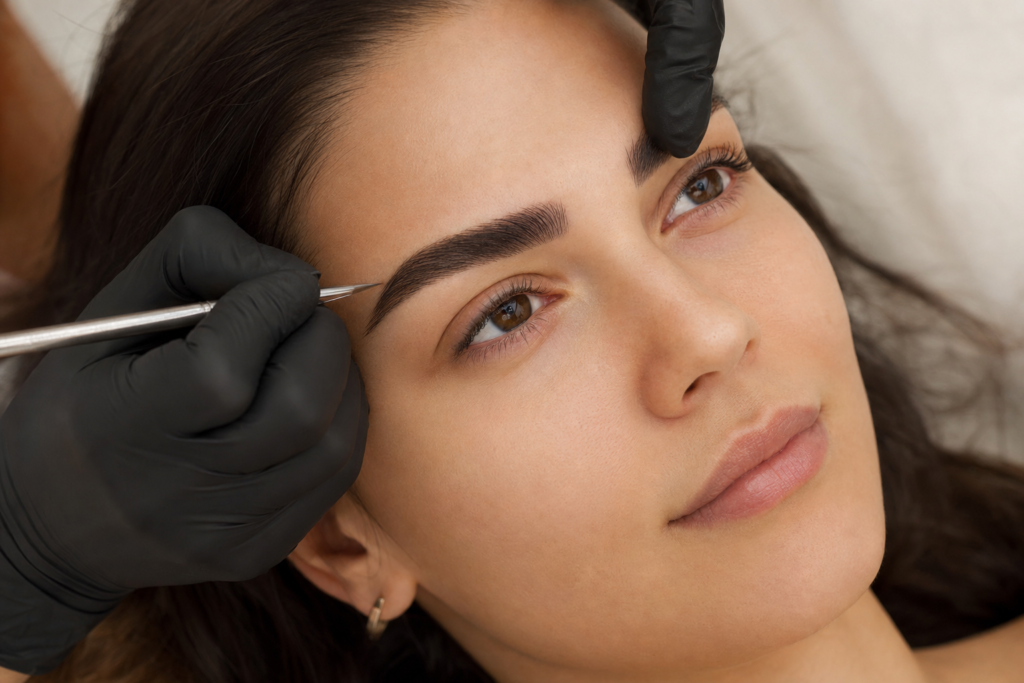
Nano brows operate differently. Instead of a blade, a single ultra-fine needle attached to a digital machine creates hair-like strokes by implanting pigment through precise punctures. The needle diameter is significantly smaller than even the finest microblading blade.
This isn’t just about tools. It’s about depth, trauma, and how your skin responds. At Fantasy Beauty, Leila uses a digital device calibrated to penetrate the epidermis at consistent depths, something even the most skilled manual technique cannot guarantee with absolute precision. The machine’s controlled speed and needle diameter allow for strokes that are finer, sharper, and placed with micrometer accuracy.
Think of it this way: microblading is like drawing with a fine pen, while nano brows are like using a mechanical pencil with a 0.3mm lead. Both can create beautiful results, but the latter offers detail and control that changes what’s possible on challenging skin types or in areas where hair density needs to appear exceptionally natural.
Precision and Hair-Stroke Quality: Why Detail Matters
The width of a microblading stroke typically ranges from 0.18mm to 0.25mm depending on blade configuration. A nano needle creates strokes as fine as 0.15mm, sometimes even narrower depending on technique and needle selection.
Those fractions of a millimeter translate into visible differences. Nano strokes can weave between existing natural hairs without looking dense or artificial. They can follow the natural direction and curve of each hair with surgical precision, creating dimension that photographs beautifully and looks undetectable in natural light.
During brow mapping sessions at our Mont-Royal location, we analyze not just the overall shape but the direction each individual stroke should follow to mimic your natural hair growth pattern. With nano brows, we can place strokes closer together without creating a blurred effect, building density gradually and adjusting saturation in real time.
Women with sparse brows or gaps from over-plucking see the most dramatic difference. The ultra-fine strokes fill these areas without looking drawn on, maintaining the illusion that these are simply your natural hairs, perfectly placed and perfectly pigmented.
How Your Skin Type Determines Which Technique Works Best
This is where theory meets reality. Your skin will ultimately decide how well either technique holds.
Microblading traditionally struggles with three skin types: oily skin, mature skin with reduced elasticity, and skin with larger pores. The manual blade creates a small wound channel that oily skin can push pigment out of during healing. Mature skin may not retain crisp edges as collagen structure changes. Large pores can blur stroke definition.
Nano brows address these challenges through controlled trauma. The single-needle technique creates a puncture rather than a slice, reducing the wound channel and allowing better pigment retention in challenging skin types. The digital machine maintains consistent depth, preventing the variable pressure that can occur with manual blading on skin that offers uneven resistance.
At Fantasy Beauty, we conduct detailed skin analysis before recommending either technique. Leila examines not just your skin type but its texture, elasticity, and how previous permanent makeup (if any) has held. Women with combination skin across the brow area might benefit from a hybrid approach, using nano strokes where the skin is oilier and combining techniques based on each zone’s characteristics.
For clients with very dry or normal skin and excellent elasticity, both techniques can deliver exceptional results. In these cases, the choice comes down to aesthetic preference and healing considerations.
Healing Process: What to Expect With Each Method
The healing timeline tells its own story about tissue trauma and pigment stability.
Microblading creates visible scabbing in most clients. The blade cuts require your skin to close these channels, forming protective scabs that must naturally shed. This process typically takes 7 to 10 days for visible healing, with complete settling occurring over 4 to 6 weeks. During the scabbing phase, the pigment often looks darker than the final result, and there’s a period where color appears to disappear entirely before resurfacing.
Nano brows generally produce less dramatic scabbing. Many clients experience light flaking rather than pronounced scabs, and the healing tends to be faster with less color loss during the process. The reduced trauma means less inflammatory response, which often translates to more predictable color retention and fewer surprise changes as the skin settles.
The aftercare is similar for both: keeping the area clean, avoiding water saturation, no makeup, no sun exposure, and no picking. But with nano brows, clients typically return to their normal routine slightly faster because the surface healing is less aggressive.
Both techniques require a touch-up appointment 6 to 8 weeks after the initial procedure. This isn’t optional; it’s part of the process. The first session creates the foundation and allows us to see how your specific skin accepts and holds the pigment. The touch-up perfects the shape, density, and color based on how you healed.
| Healing Factor | Microblading | Nano Brows |
|---|---|---|
| Visible Scabbing | Moderate to pronounced | Minimal to light flaking |
| Initial Healing | 7-10 days | 5-7 days |
| Complete Settling | 4-6 weeks | 4-5 weeks |
| Touch-Up Timing | 6-8 weeks | 6-8 weeks |
| Color Loss During Healing | 30-40% common | 20-30% typical |
Longevity and Maintenance: Which Lasts Longer?
Both techniques are semi-permanent, and that’s actually a feature, not a limitation. Your face changes, trends evolve, and having brows that gradually fade allows for adjustments rather than permanent commitment.
Microblading typically lasts 12 to 18 months before requiring a refresh. The pigment fades as your skin naturally exfoliates and as UV exposure breaks down the color molecules. Oily skin types may see faster fading, sometimes as early as 10 months.
Nano brows often demonstrate slightly longer longevity, frequently lasting 18 to 24 months. The controlled pigment placement at consistent depths appears to improve retention rates. The single-needle technique also allows for denser pigment saturation in each stroke without creating the blurring that can occur when microblading strokes are placed too close together.
Annual touch-ups maintain the shape and color vibrancy with either technique. These refresh appointments take less time than the initial procedure and cost considerably less. At Fantasy Beauty, we track each client’s fading pattern and adjust pigment selection and technique at each touch-up to account for how their skin metabolizes color.
Sun exposure accelerates fading with both methods. SPF becomes part of your brow maintenance routine, protecting your investment and keeping the pigment true to its intended tone rather than allowing it to shift warm or ashy as it fades.
Pain Level and Comfort During the Procedure
Let’s address this directly because it matters to everyone considering permanent makeup.
Microblading creates a scratching sensation. The blade moving across your skin is audible and tactile. Most clients describe it as uncomfortable but tolerable, rating it between 3 and 5 on a 10-point pain scale. The manual pressure varies slightly with each stroke, and some areas of the brow are more sensitive than others.
Nano brows produce a different sensation, more like rapid tapping than scratching. The machine’s consistent speed creates a vibration that many clients find less nerve-wracking than the manual blade. Pain ratings typically fall between 2 and 4, with most describing it as less sharp and more of a mild irritation.
Both procedures use topical numbing cream applied before and during the work. The cream needs about 20 minutes to take full effect, and we reapply as needed throughout the session. Individual pain tolerance varies dramatically, and anxiety can amplify discomfort more than the technique itself.
In our women-only studio at Fantasy Beauty, we create an environment where clients feel comfortable expressing discomfort and taking breaks. Leila works at a pace that allows for communication, adjusting technique and taking time to ensure you’re comfortable throughout the 2 to 3 hour process.
Cost Comparison and Value Considerations
Nano brows typically cost slightly more than microblading, reflecting the advanced equipment, specialized training, and precision the technique demands.
Microblading in Montreal generally ranges from $400 to $700 for the initial session plus touch-up. Nano brows usually fall between $500 and $800 for the same package. These prices reflect artist experience, location, pigment quality, and the studio environment.
The price difference narrows when you factor in longevity. If nano brows last 6 months longer between refresh appointments, the annual cost may actually favor nano brows despite the higher initial investment.
Quality matters more than technique. A skilled microblading artist using PHI-certified organic pigments and practicing proper depth control will deliver better results than a poorly trained technician offering nano brows at a discount price. At our Mont-Royal location, we invest in continuing education, premium pigments, and calibrated equipment because these factors determine outcomes more than marketing claims.
Consider the complete picture: initial cost, touch-up frequency, how the results hold on your specific skin, and the confidence you’ll feel walking out each morning without reaching for a brow pencil. That daily reclaimed time and mental freedom is the real value calculation.
Which Technique Should You Choose?
The honest answer depends on your unique situation.
Choose microblading if you have dry to normal skin, want a proven technique with decades of refinement, prefer the traditional manual artistry approach, or are working with an artist whose microblading portfolio resonates with your aesthetic goals.
Choose nano brows if you have oily or combination skin, struggled with previous microblading fading too quickly, want ultra-fine hair strokes with maximum precision, have mature skin that benefits from controlled trauma, or are looking for the latest advancement in semi-permanent makeup technology.
Consider combining techniques. Some artists use nano brows for the hair strokes and add subtle eyebrow shading behind them for added depth and dimension. This hybrid approach, sometimes called powder brows or ombre brows, creates fuller results while maintaining the natural hair-stroke definition in the front and arch.
Your consultation matters more than research. In-person skin analysis, discussion of your lifestyle and makeup habits, examination of your natural brow hair and growth pattern, all these factors inform the right recommendation. At Fantasy Beauty, we never push a single technique. We assess, discuss, and recommend based on what will give you the most natural, long-lasting results given your specific characteristics.
If you’ve had previous permanent makeup that needs correction, the choice becomes more technical. Old pigment, scar tissue, or asymmetry from previous work may respond better to one technique over the other. In some cases, eyebrow tattoo removal may be necessary before starting fresh with either method.
Frequently Asked Questions
Can I switch from microblading to nano brows at my next touch-up?
Yes, you can transition from microblading to nano brows once your previous microblading has sufficiently faded. If your microblading is still quite visible, we may need to perform a refresh with microblading first or wait longer for additional fading. During your consultation, we’ll assess the remaining pigment and recommend the best timing for transition. Some clients do a combination approach, using nano strokes to add detail between existing microbladed strokes.
How do I know if my skin is too oily for microblading?
If you have visibly large pores, your makeup tends to break down quickly in the T-zone, or you’ve had previous microblading that faded within 6 to 8 months, your skin may be too oily for optimal microblading results. A skin analysis during consultation will determine this. We can perform a small test stroke in an inconspicuous area to see how your skin accepts the pigment if there’s uncertainty. Nano brows are specifically designed to work better on oily skin types.
Will nano brows look more natural than microblading?
Both techniques can look exceptionally natural when performed correctly. Nano brows offer finer, more precise strokes that can appear more realistic, especially on close inspection or in high-definition photography. The difference is often subtle to most observers but noticeable to the person looking at their own face daily. The artist’s skill, proper brow mapping, and appropriate pigment selection matter more than technique alone for achieving natural results.
How long does each procedure take?
Both microblading and nano brows typically take 2 to 3 hours for the initial appointment. This includes consultation, brow mapping and design, numbing time, and the actual pigment application. The touch-up appointment 6 to 8 weeks later usually takes 1 to 1.5 hours. Rushing the process compromises results, so proper time allocation is essential for precision work.
Can I still get nano brows if I have very sparse natural brows?
Absolutely. Nano brows work beautifully for sparse brows because the ultra-fine strokes can be placed precisely where you need them without requiring existing hair as a guide. The technique allows for complete brow reconstruction, creating natural-looking hair patterns even in areas with no natural growth. The key is working with an experienced artist who understands hair direction, density variation, and how to create dimension that mimics natural growth patterns.
Your Next Step Toward Perfect Brows
The choice between nano brows and microblading isn’t about following trends or choosing the newest technique. It’s about understanding your skin, your aesthetic preferences, and finding an artist who can deliver consistent, beautiful results with either method.
At Fantasy Beauty, located at 2305 Rockland Rd, Unit 1590 in Mont-Royal, Montreal, we offer both techniques and recommend based on what will work best for you, not what we prefer to perform. Leila brings over a decade of permanent makeup experience and specializes in creating natural, confidence-building results in our private women-only studio. Whether you choose microblading, nano brows, or a hybrid approach, the consultation process ensures you understand exactly what to expect and walk away with brows that look like they’ve always been yours. Ready to start your journey? Book your consultation or call us at (514) 885-8456 to discuss which technique will give you the results you’ve been envisioning.